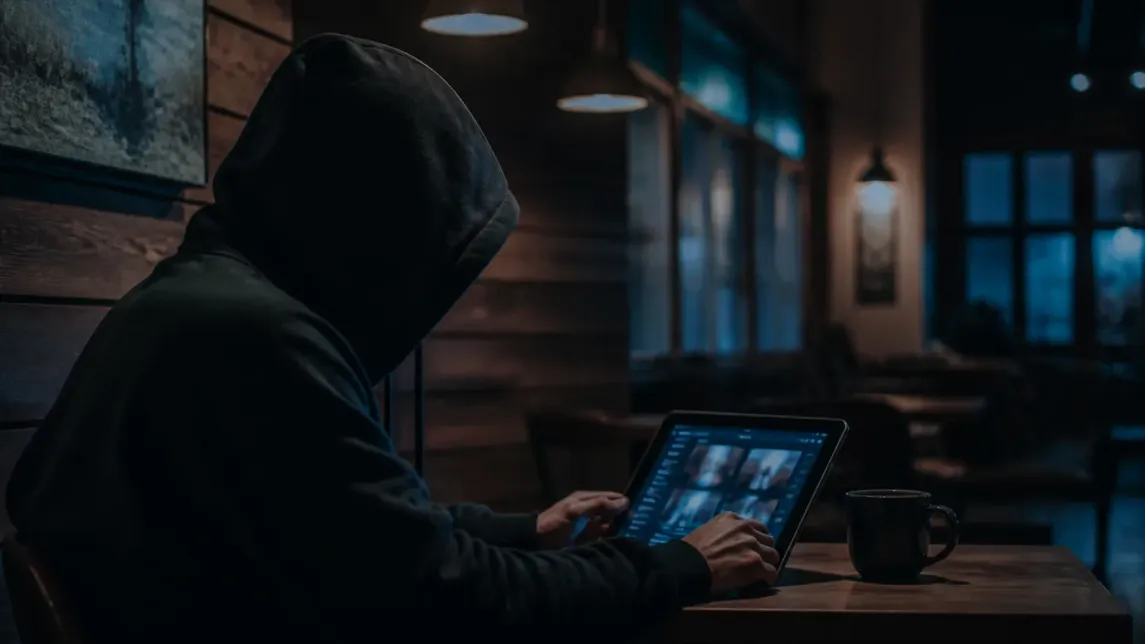
The anonymous dark web refers to content accessible only through specific software, primarily the Tor network. The US Naval Research Laboratory developed Tor in the mid-1990s to route traffic through volunteer-operated relays, encrypting data at each step [1, 2]. While Tor aims for anonymity, it is not guaranteed; law enforcement uses techniques like network investigative techniques (NITs) to deanonymise users [3, 9].
Anonymous Dark Web Overview
- Checklist Steps
- Use Tor Browser
- Myth
- Tor guarantees complete anonymity
- Fact
- Anonymity is not guaranteed.
- Checklist Steps
- Avoid personal info
- Myth
- Browsing dark web is illegal
- Fact
- Accessing illegal sites is illegal.
- Checklist Steps
- Consider VPN with Tor
- Myth
- VPN hides Tor usage from ISP
- Fact
- ISP sees Tor usage.
- Checklist Steps
- Stay updated on security
- Myth
- All Tor nodes are safe
- Fact
- Some nodes may be compromised.
- Checklist Steps
- Verify sources before acting
- Myth
- All dark web sites are safe
- Fact
- Many sites are scams or illegal.
What is the Dark Web and Why Anonymity Matters?
The dark web is a part of the internet that is not indexed by traditional search engines. It is distinct from the deep web, which includes all parts of the internet not indexed by search engines, such as databases and private corporate sites. The dark web requires specific software, primarily the Tor Browser, to access its content.
Anonymity is a core concern for users of the dark web. There are several reasons why individuals seek to maintain their privacy. Firstly, many users are looking for protection from censorship, especially in countries with strict internet regulations. This allows them to share information freely without fear of government repercussions. Secondly, users often seek legal protection by engaging in activities that, while legal in their jurisdiction, may be considered controversial or sensitive in others. Lastly, privacy is paramount for whistleblowers who wish to expose wrongdoing without facing retaliation.
The concept of "onion" routing is fundamental to how the Tor network operates. Data is encrypted and routed through a series of volunteer-operated relays, known as nodes. At each stage, the data is encrypted, ensuring that no single node knows both the origin and destination of the data [1, 2]. This layered encryption provides a degree of anonymity, although it is important to note that this anonymity is not guaranteed. Law enforcement agencies have developed methods to deanonymise users, making it crucial for individuals to understand the risks involved [3, 9].
Accessing the dark web itself is not illegal; however, engaging with illegal websites or activities is against the law1. Users must exercise caution and avoid revealing personal information, as doing so compromises their anonymity2. Additionally, while using Tor, internet service providers can see that a user is accessing the Tor network, but they cannot monitor their activity within it3.
Understanding these aspects is vital for anyone considering exploring the dark web.
How Anonymity is Achieved on the Dark Web (and its Limitations)
Tor plays a crucial role in anonymising traffic on the dark web. It employs a process known as onion routing, where data is encrypted in layers and routed through a series of volunteer-operated relays, or nodes. Each relay decrypts only enough information to send the data to the next node, ensuring that no single node knows both the origin and destination of the information. This layered encryption provides a degree of anonymity, but it is not foolproof.
While Tor is a powerful tool for privacy, it has limitations. Anonymity is not guaranteed, as law enforcement and security experts continuously develop techniques to deanonymise users. For instance, network investigative techniques (NITs) and malware specifically designed to compromise Tor users can expose identities [3, 9]. Additionally, if users log into websites or provide personal information while using Tor, they lose their anonymity regarding those specific sites2.
Other anonymity tools can enhance privacy when accessing the dark web. Virtual Private Networks (VPNs) can mask a user's IP address from their Internet Service Provider (ISP) and provide an additional layer of security. However, using a VPN with Tor can introduce performance drawbacks and might not be necessary for all users4. For enhanced security, some choose to use secure operating systems like Tails, which are designed to preserve privacy and anonymity5.
Users should be aware that their ISP can see that they are using Tor, although they cannot monitor activity within the network3. Furthermore, the number of Tor exit nodes has increased significantly, with over 2,000 currently available, which can improve the speed of the network6. However, not all exit nodes are trustworthy, and some may be operated by malicious actors6.
Understanding these elements is essential for anyone looking to navigate the dark web safely. Anonymity is achievable but requires careful consideration and awareness of potential vulnerabilities.
Essential Tools and Practices for Staying Anonymous
Setting up Tor Browser is essential for accessing the dark web while maintaining anonymity. Follow these steps to ensure a secure setup:
Download Tor Browser: Visit the official Tor Project website and download the latest version of Tor Browser. Avoid third-party sites to prevent malware.
Install Tor Browser: Follow the installation prompts for your operating system. Ensure that you install it in a secure location.
Use a VPN: Before launching Tor, consider using a Virtual Private Network (VPN). This adds an extra layer of security by masking your IP address from your ISP. Connect to a reliable VPN server before starting Tor4.
Disable Scripts: In the Tor Browser, navigate to the security settings and set the security level to “Safest.” This disables potentially harmful scripts that could compromise your anonymity.
Avoid Personal Information: Do not log into any accounts or provide personal information while using Tor. This includes email addresses and real names, as doing so can compromise your anonymity on specific sites2.
Browse Securely: Use privacy-focused search engines like DuckDuckGo to avoid tracking. For secure communications, consider services like ProtonMail, which offers encrypted email.
Additional precautions include using Tails OS, a live operating system designed for privacy. It can be booted from a USB stick and leaves no trace on the computer used.
While these practices enhance anonymity, users should remember that complete anonymity is not guaranteed. Law enforcement agencies continuously develop methods to deanonymise users [3, 9]. Thus, staying informed about potential risks is crucial for secure browsing on the dark web.
Common Misconceptions About Dark Web Anonymity
Several myths surround the concept of anonymity on the dark web. One prevalent misconception is that "the dark web is completely untraceable." While the Tor network significantly enhances user privacy by routing traffic through volunteer-operated relays and encrypting data at each step [1, 2], anonymity is not guaranteed. Law enforcement agencies employ methods such as network investigative techniques (NITs) and malware to deanonymise users, which has been demonstrated in investigations like the 2015 Playpen case [3, 9].
Another common belief is that "all dark web activity is illegal." Browsing the dark web itself is not illegal; however, engaging with illegal websites or activities is against the law1. For example, accessing forums for whistleblowing or privacy advocacy is legal, while purchasing illegal drugs or weapons is not. Understanding the distinction is crucial for users seeking to navigate this space responsibly.
Anonymity can be compromised in various ways. User error is a significant factor; for instance, logging into accounts or providing personal information while using Tor negates anonymity on those specific sites2. Furthermore, local network administrators or Internet Service Providers (ISPs) can see that a user is accessing the Tor network, although they cannot monitor the specific activities within it3.
To mitigate these risks, users should consider employing additional privacy tools, such as a Virtual Private Network (VPN) alongside Tor. This setup can help mask their IP address and add another layer of security [12, 13]. However, users must remain cautious, as no solution is foolproof, and the potential for deanonymisation persists.
In summary, while the dark web offers enhanced anonymity, it is essential to understand its limitations and the legal landscape surrounding its use. Awareness of the risks and careful browsing practices are vital for maintaining privacy in this environment.
Risks and Precautions for Anonymous Browsing
Exploring the dark web carries inherent risks that users must understand to maintain their safety and anonymity. Key risks include malware, scams, and legal repercussions.
Malware is a significant threat on the dark web. Users may encounter malicious software designed to compromise their devices or steal personal information. This risk is heightened when downloading files or clicking on unverified links. For instance, accessing certain onion sites may expose users to harmful downloads that can lead to data breaches.
Scams are prevalent in the dark web environment. Users may fall victim to fraudulent schemes promising illicit goods or services. It is essential to critically evaluate offers and verify sources before engaging in any transactions. For example, many advertised products may not exist, and users could lose their money or become targets for further exploitation.
Legal repercussions are another serious concern. While browsing the dark web itself is not illegal, accessing illegal sites or engaging in criminal activities can result in prosecution1. Law enforcement agencies, such as the FBI, actively monitor dark web activities and employ techniques to deanonymise users [3, 9]. This means that even seemingly innocuous activities can lead to legal trouble if they inadvertently involve illegal content.
To mitigate these risks, users should adopt several best practices. Using burner devices—temporary devices dedicated solely to dark web browsing—can help protect personal information. Strong passwords and two-factor authentication are crucial for accounts accessed on the dark web. Avoiding downloads from untrusted sources significantly reduces the likelihood of malware infection.
Critical thinking is paramount. Users must verify the credibility of sources and remain sceptical of offers that seem too good to be true. Engaging with reputable platforms and communities can also enhance safety.
In summary, while the dark web offers opportunities for anonymous browsing, it is essential to remain vigilant about potential risks. By employing precautions and maintaining a critical mindset, users can navigate this environment more safely.
Legal and Ethical Considerations of Anonymous Dark Web Use
Accessing the dark web is subject to various legal frameworks depending on jurisdiction. In many countries, browsing the dark web itself is legal. However, engaging with illegal content, such as purchasing drugs or weapons, is against the law1. For example, in the United States, law enforcement agencies actively monitor dark web activities to combat crime, employing techniques like network investigative techniques (NITs) to deanonymise users [3, 9]. Users in countries with stricter internet laws may face even harsher penalties for accessing certain types of content.
Ethically, the anonymity provided by the dark web raises complex questions. While it can facilitate whistleblowing and secure communication for journalists, it can also enable illegal activities. For instance, platforms that promote anonymous sharing of sensitive information can protect sources in oppressive regimes, thereby serving a legitimate purpose. Conversely, the same anonymity can shield individuals engaging in harmful activities, such as trafficking or cybercrime. This duality poses a challenge in balancing privacy with the potential for misuse.
Legitimate uses of anonymity include whistleblowing, where individuals expose wrongdoing while protecting their identities. Notable examples include the actions of Edward Snowden, who used secure channels to reveal government surveillance practices. Similarly, journalists covering sensitive topics can use anonymity to safeguard their sources and ensure freedom of expression. These cases illustrate that anonymity can serve crucial societal functions, but they also highlight the ethical dilemmas surrounding its misuse.
Users should remain aware that while the dark web offers tools for privacy, it is not without risks. Engaging in illegal activities can lead to severe consequences, including arrest and prosecution. Therefore, understanding the legal landscape and ethical implications is essential for anyone considering exploring the dark web. By maintaining a clear distinction between legitimate and illicit uses of anonymity, users can navigate this complex environment more responsibly.
Verifying Information and Identifying Deceptive Content
Critically evaluating sources on the dark web is essential for maintaining safety and avoiding scams. Many deceptive sites can mimic legitimate services, making it crucial to identify trustworthy information.
Start by checking the website's URL. Authentic dark web services usually have “.onion” addresses. Be wary of sites that closely resemble known services but use slight variations in spelling or domain names. For example, a phishing site may use an address like “example.onion” instead of “example.com”.
Look for user feedback and reviews. Engaging with forums or communities can provide insights into a site's reputation. However, be cautious; user reviews can also be manipulated. Verify information through multiple sources, including clearnet platforms when possible. Cross-referencing information helps to confirm its accuracy.
Phishing attempts are prevalent on the dark web. Be suspicious of unsolicited offers or requests for personal information. Legitimate services typically do not ask for sensitive data upfront. If a site prompts for personal details, it is likely a scam.
To identify misinformation, consider the source's credibility. Established platforms or services tend to have a more reliable track record. Additionally, check for signs of professionalism, such as proper grammar and clear contact information. A poorly designed website or numerous spelling errors may indicate a fraudulent operation.
Utilising search engines designed for the dark web, like DuckDuckGo, can aid in finding trustworthy information. Avoiding links from unverified sources minimizes exposure to malicious content.
In summary, verifying information on the dark web requires diligence. By critically evaluating sources, recognising phishing attempts, and cross-referencing data with clearnet resources, users can navigate this complex environment more safely. Understanding these principles is vital for anyone seeking to explore the dark web responsibly.
Key Takeaways
Navigating the dark web anonymously requires adherence to specific practices and an understanding of inherent limitations.
Anonymity is not guaranteed; law enforcement agencies develop methods to deanonymise users [3, 9].
Using Tor Browser is essential, but additional tools like a VPN and Tails OS enhance privacy [12, 13].
Avoid logging into personal accounts or sharing identifiable information while on the dark web2.
Browsing the dark web is not illegal, but engaging in illegal activities or accessing illegal content is1.
Exercise critical thinking to verify sources and identify deceptive content; malware and scams are prevalent.
To enhance your understanding of safe dark web practices, consider reading our guide on How to Use Tor Safely.
Straight answers
- Does the dark web exist?
Yes, the dark web exists. It is a part of the internet that requires specific software, configurations, or authorisation to access, primarily built upon networks like Tor. The Tor network, which underpins much of the dark web, was developed by the US Naval Research Laboratory in the mid-1990s.
- Can I get in trouble for being on the dark web?
Browsing the dark web itself is not illegal; however, engaging in illegal activities or accessing illegal websites on the dark web is against the law1. For example, purchasing illicit goods or participating in criminal forums can lead to legal trouble. The German Federal Office for Information Security (BSI) warns that darknet visitors can fall for dubious offerings, potentially making themselves liable to prosecution5.
- Is checking the dark web illegal?
No, checking the dark web is not illegal in most jurisdictions. The legality depends on the user's actions within the dark web environment1. However, your Internet Service Provider (ISP) can see that you are using Tor, even if they cannot see your specific activity within the network3.
- Can I access the dark web on onion?
Yes, you can access the dark web through “.onion” addresses, which are special-use top-level domains accessible via the Tor network. Tor Browser is the primary tool for accessing these “.onion” sites, routing traffic through a series of encrypted relays to provide anonymity.
- Anonymous dark web free
Accessing the anonymous dark web is generally free, as the Tor Browser and the Tor network are free to use. The Tor network relies on volunteer-operated relays to route and encrypt traffic, providing a free way to enhance online anonymity. However, anonymity is not guaranteed, and users must still take precautions.
- Anonymous dark web website
Anonymous dark web websites are typically identified by their “.onion” addresses and are accessible only through the Tor network. These sites leverage Tor's encryption and relay system to obscure the location and identity of both the website host and the user. Examples include forums for whistleblowers or secure communication platforms.
Sources consulted
[1] A practitioner’s guide to understanding risks of the dark web
[2] Tor Browser best practices - Security - Tor Browser — Tor
[4] Dark Net Guide
[5] BSI - Dark net and deep web - Dark net and deep web: shedding light on the dark
Explore More on the Dark Web
Discover in-depth guides and resources to enhance your journey.
Visit Our Resources